Electrical & Computer Engineering student at Carnegie Mellon University. I love computers! A CPU is a sports car, fast, but built for a specific job. A GPU is a school bus, great at moving lots of passengers at once. An FPGA is a junkyard full of parts, where you can build anything from a tricycle to an airplane. And that’s what excites me about hardware design: the ability to build something entirely new and make computers faster.
B.S. Electrical & Computer Engineering, Minor in RoboticsExpected May 2027
Relevant coursework
Computer Systems
Computer Architecture
Structure and Design of Digital Systems
Logic Design and Verification
Skills
Languages
SystemVerilog
Verilog
C
C++
Python
Java
JavaScript
SQL
Hardware / Systems
RTL Design
Digital Design
FPGA
UVM
Testbench Development
SVA
Embedded Systems
Tools
Vivado
Quartus
Linux
Git
OpenCV
PyTorch
NVIDIA Jetson
MATLAB
ANSYS
Projects
May 2026 – Present
RISC-V Processor Microarchitecture
Verification & Design Project
SystemVerilog
RISC-V
Ibex
SVA
Functional Coverage
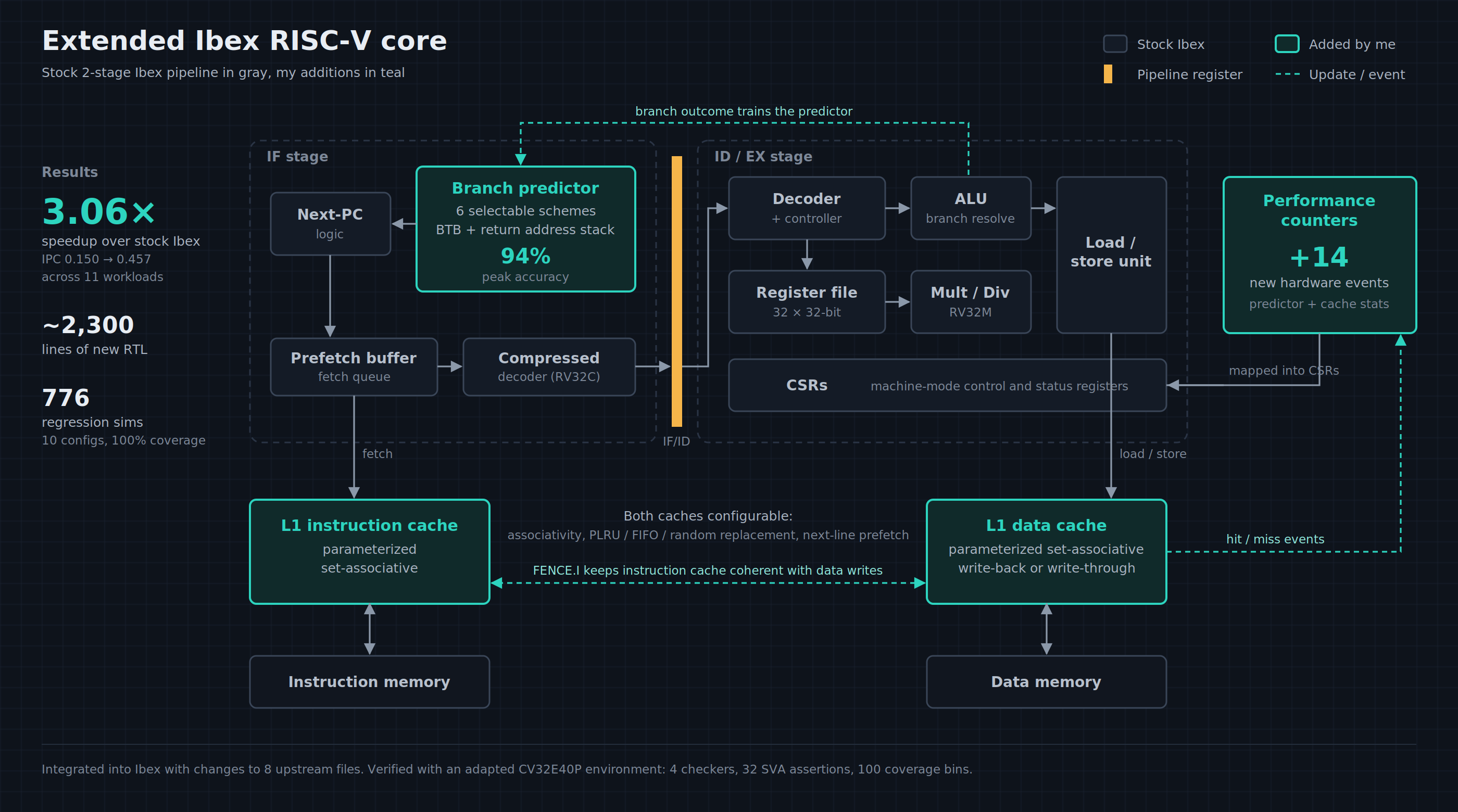
Extended the open-source Ibex RISC-V core with branch prediction, L1 instruction and data caches, and 14 new performance counter events, achieving a 3.06× speedup (IPC 0.150 → 0.457) across 11 workloads.
↳Designed ~2,300 lines of SystemVerilog RTL: 6 branch predictors (up to 94% accuracy) with a RAS and BTB, and parameterized set-associative caches with configurable replacement, write policy, and next-line prefetch.
↳Adapted the CV32E40P verification environment for Ibex with 4 checkers, 32 SVA assertions, and 100 coverage bins; automated a 776-simulation regression across 10 configurations with 100% coverage closure.
↳Ran 11 design-space studies (CPI, MPKI, miss rates) showing caches drove 2.9× vs. 5.5% from prediction; diagnosed a cache-conflict pathology fixed by 4-way associativity (2.6× on the affected workload).
The extended Ibex core: stock 2-stage pipeline in gray, my additions (branch predictor, L1 caches, performance counters) in teal.
November 2025
Pipelined Matrix-Vector Multiplier
Spartan-7 FPGA
SystemVerilog
Vivado
Spartan-7 FPGA
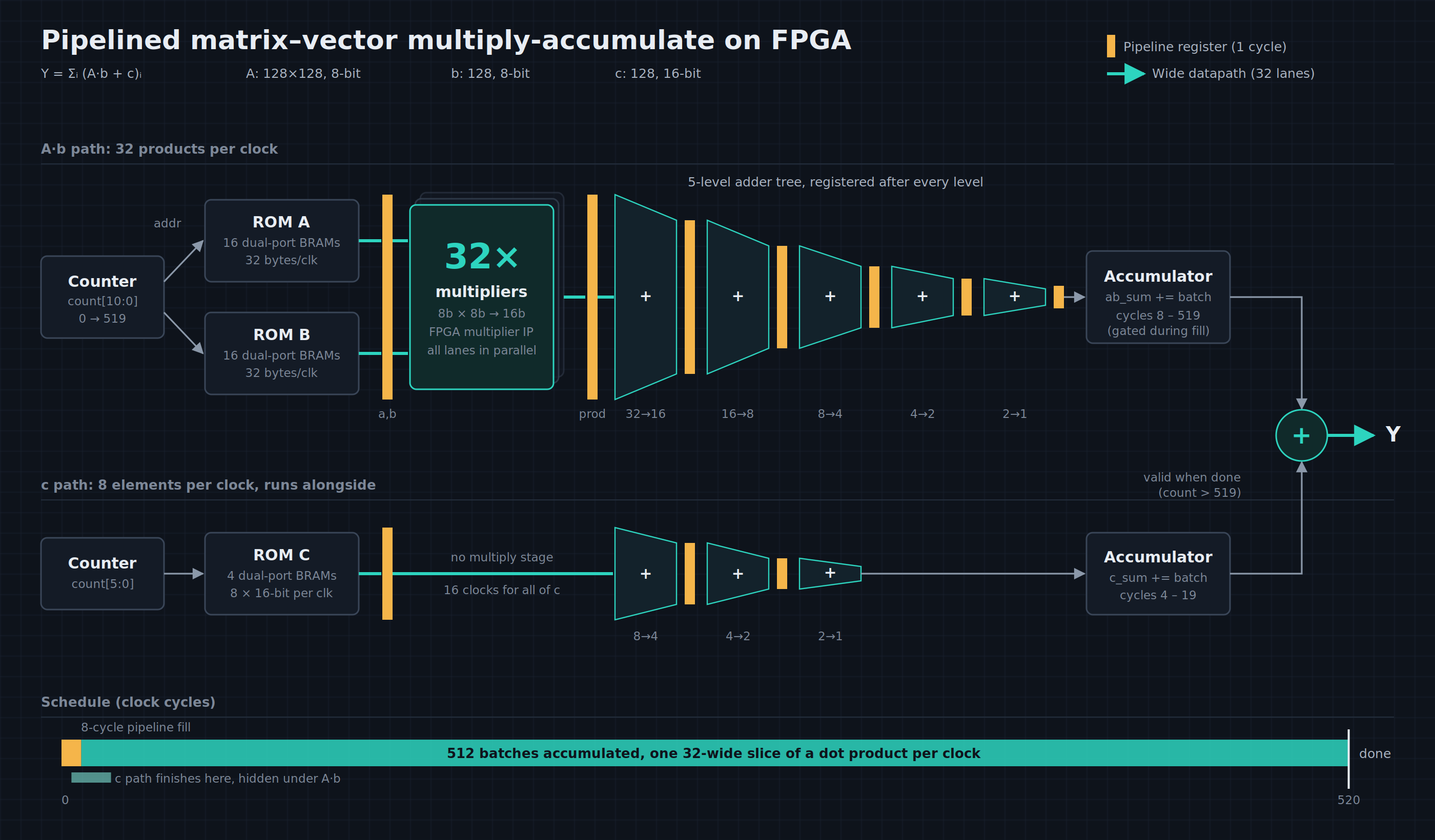
A pipelined multiply accumulate engine that computes a 128×128 matrix-vector product in 521 cycles, within 2% of the 512-cycle theoretical minimum.
↳Replicated operand ROMs across 36 dual-port BRAMs to feed 32 DSP multipliers in parallel (32 MACs/clock, ~99% of on-chip BRAM).
↳Met 100 MHz timing (+1.01 ns WNS) by registering each level of a 5-stage adder tree.
↳Overlapped the bias-vector reduction with the main datapath so it adds zero cycles.
Datapath and schedule: 32 products per clock through a registered 5-level adder tree, with the bias path hidden underneath.
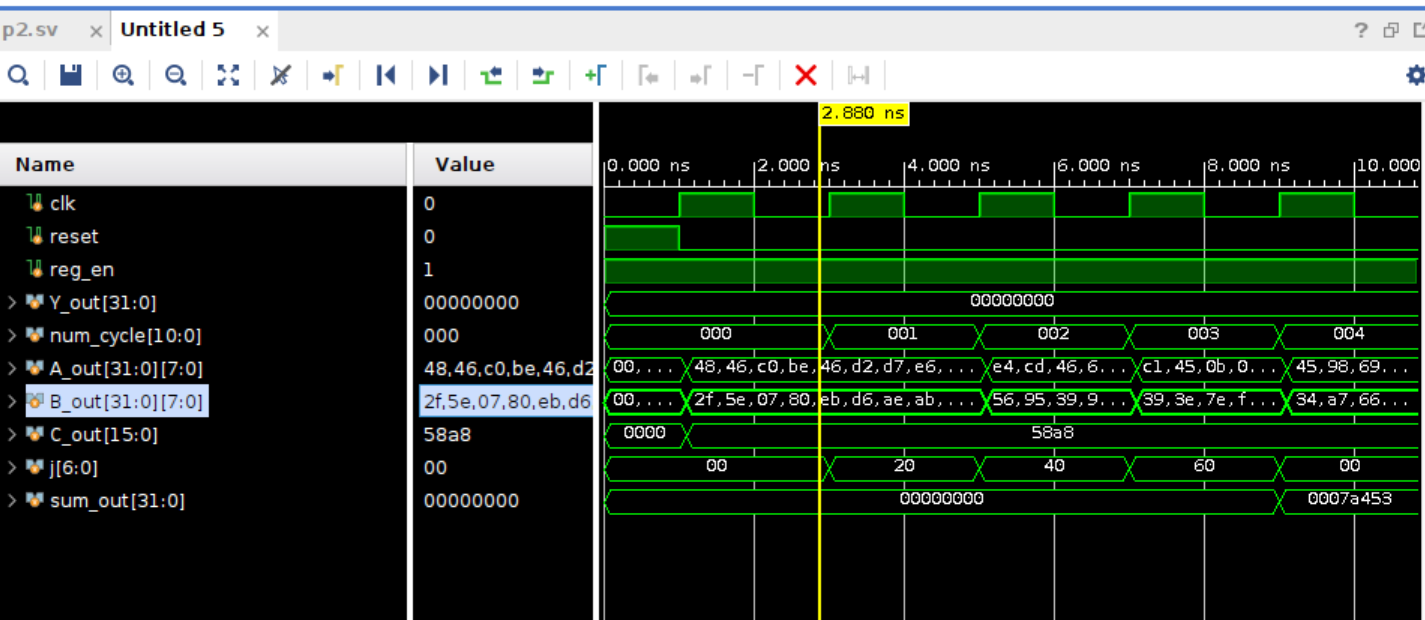
Vivado simulation waveform of the first cycles of the multiply-accumulate pipeline.
April 2025 – April 2026
Hip Exoskeleton Control Validation
Metamobility Lab · Machine Learning Researcher
Python
NVIDIA Jetson
Sensor Fusion
Controls
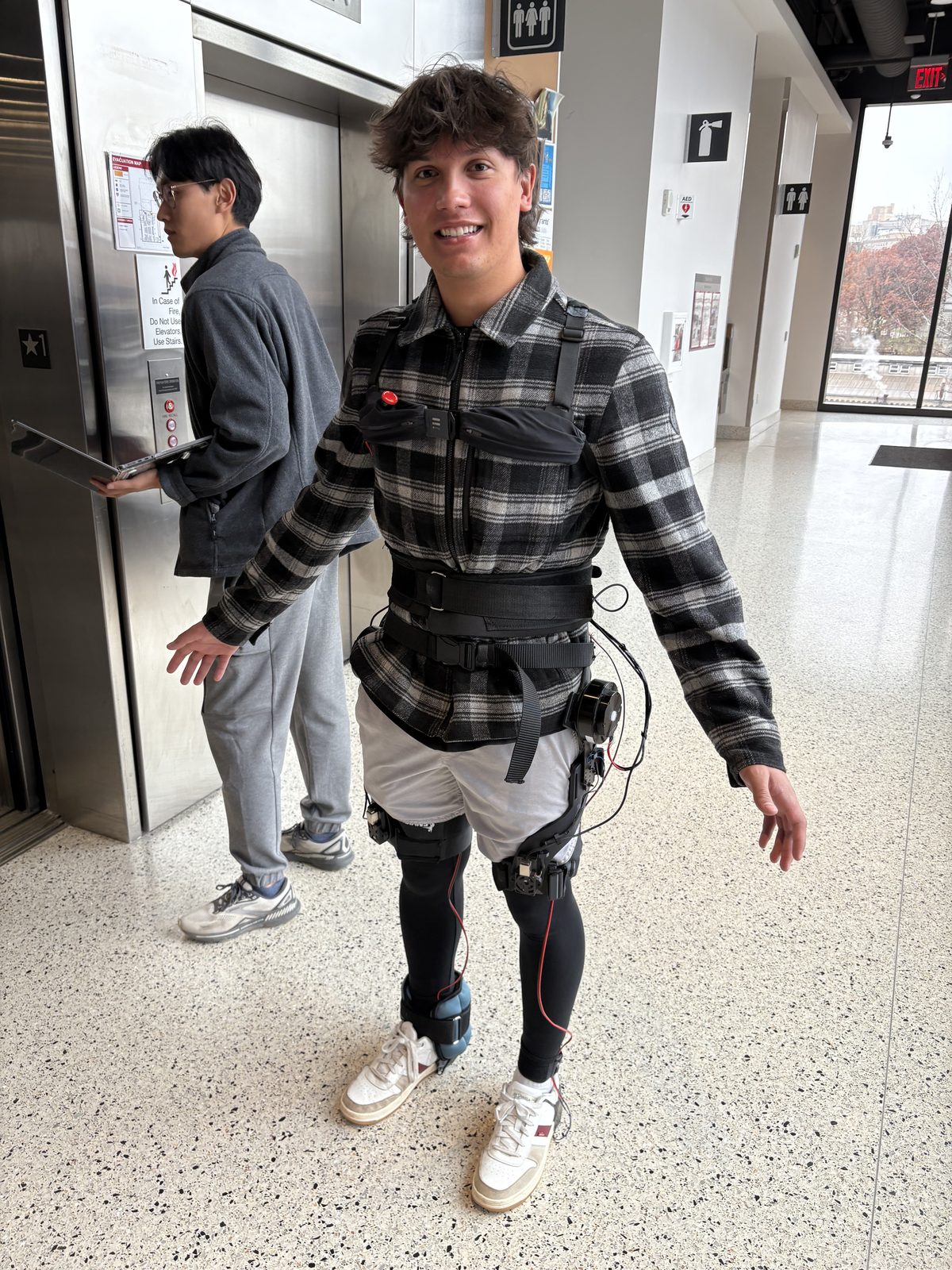
Real-world validation of a hip exoskeleton control system integrating IMUs, motor encoders, and foot pressure sensors.
↳Led 150+ hours of real-world validation testing.
↳Analyzed multi-sensor data in Python to identify failure modes across 3 control model iterations deployed on NVIDIA Jetson.
↳Expanded the operating range from 1.0 m/s on flat ground to 0.4–1.4 m/s across ±12° inclines, reducing control error by ~90%.
Wearing the hip exoskeleton.
September 2025 – Present
Multi-Camera 3D Scene Reconstruction
WiseLab · Hardware Research Intern
OpenCV
PyTorch
Python
Camera Calibration
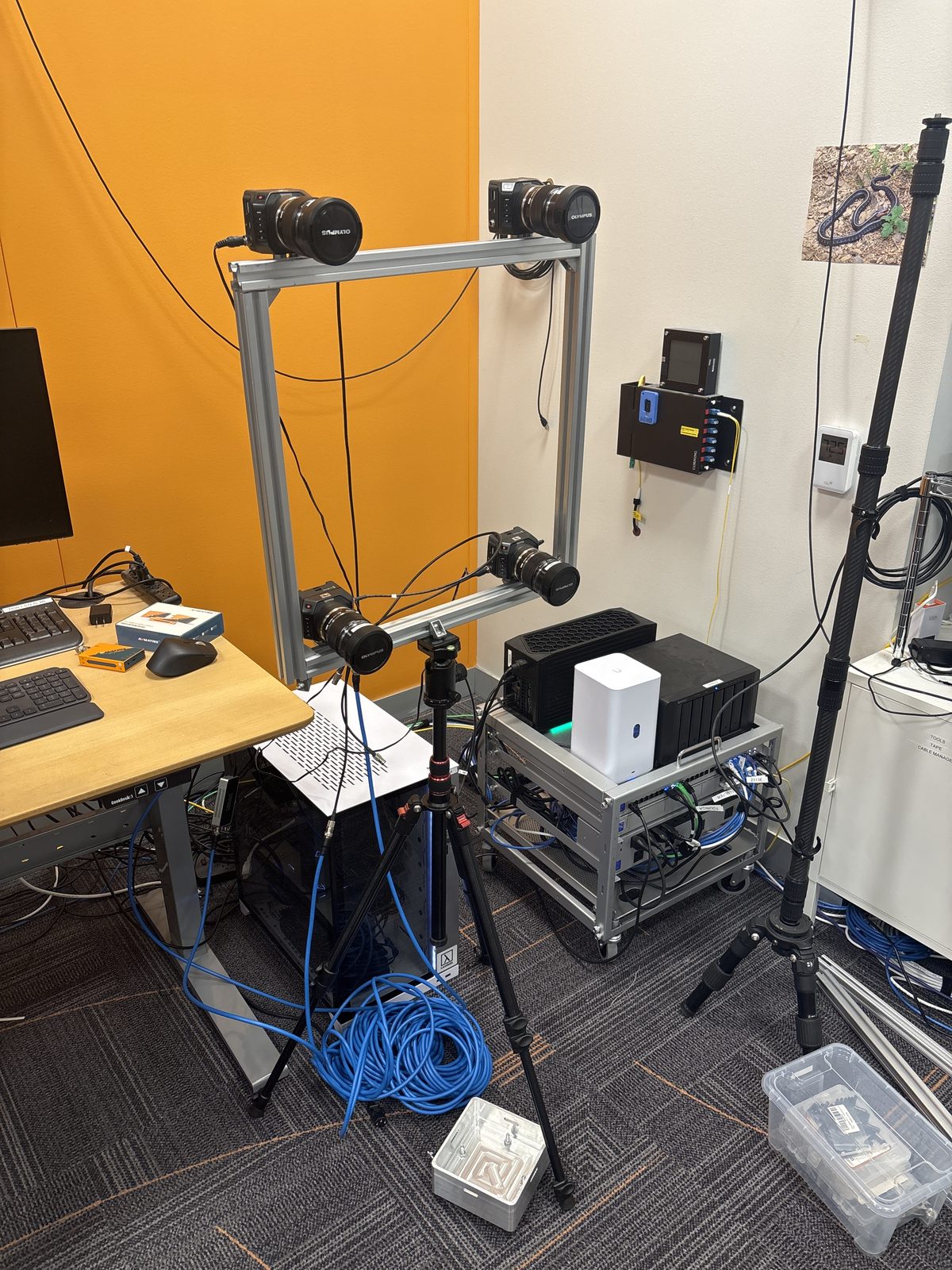
A synchronized 4-camera capture system (1080p @ 60 FPS) and the pipeline that turns its footage into rendered 3D scenes.
↳Built the capture rig with OpenCV intrinsic/extrinsic calibration for multi-view alignment.
↳Developed the capture, synchronization, and preprocessing pipeline feeding 3D scene reconstruction.
↳Trained and tuned a PyTorch neural point-based graphics (NPBG) model, adding a point-sampling stage to reduce rendering compute.
The four-camera capture rig.
Spring 2026
Spring Carnival VR Booth Game: Tame Impala
Electrical Head
Mixed Reality
Meta Quest
Unity
C#
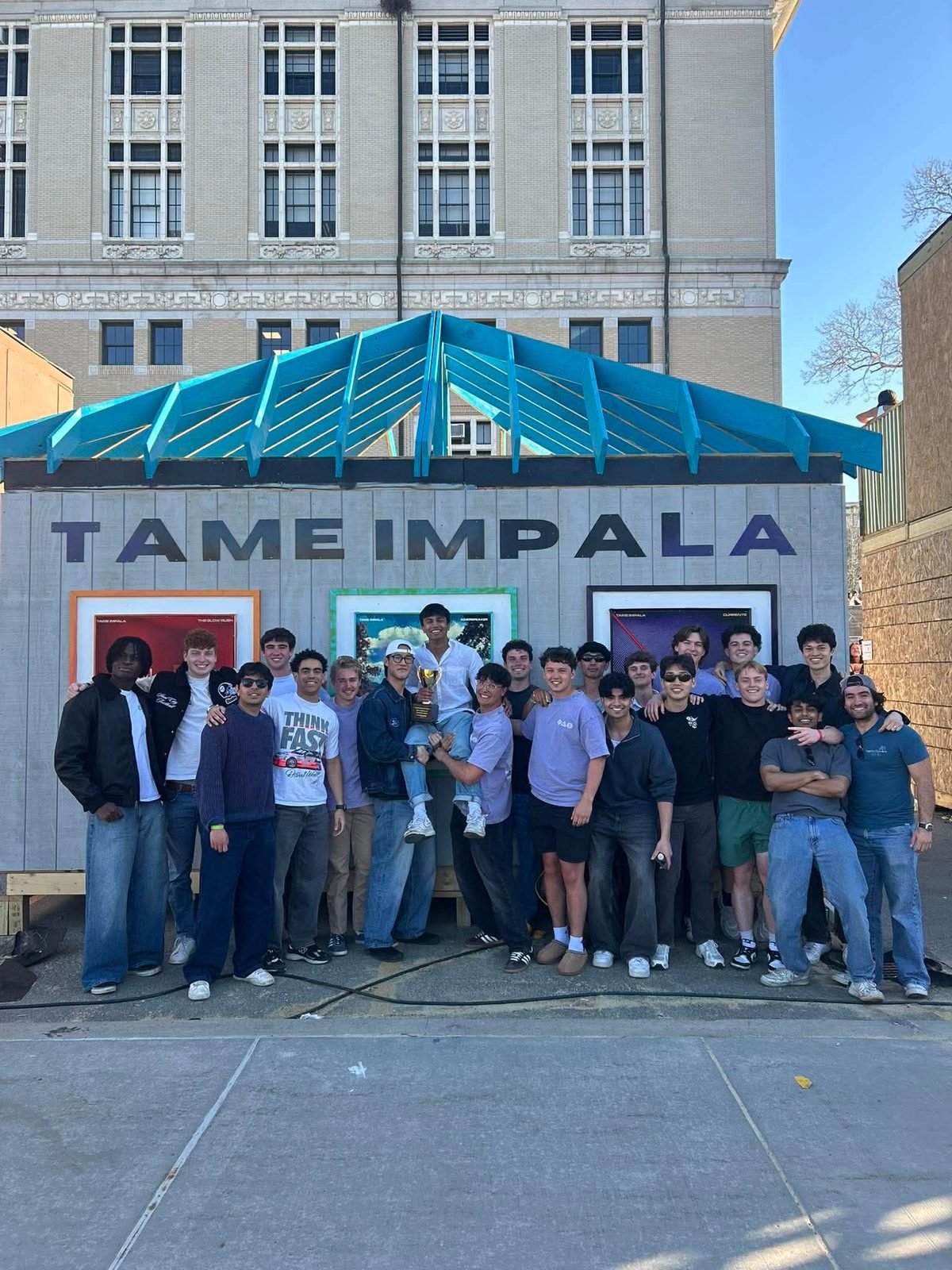
A mixed-reality rhythm game built for our Tame Impala themed booth at Carnegie Mellon's Spring Carnival.
↳Worked with a team of 3 programmers to develop 3 levels and a dedicated tutorial.
↳Develop my own creative vision and approach to my individual level
Gameplay capture from the headset.
The team in front of the finished booth.
August 2023 – August 2025
Planetary Gear System
Carnegie Mellon Racing · Gear Systems Lead
Mechanical Design
ANSYS
Manufacturing
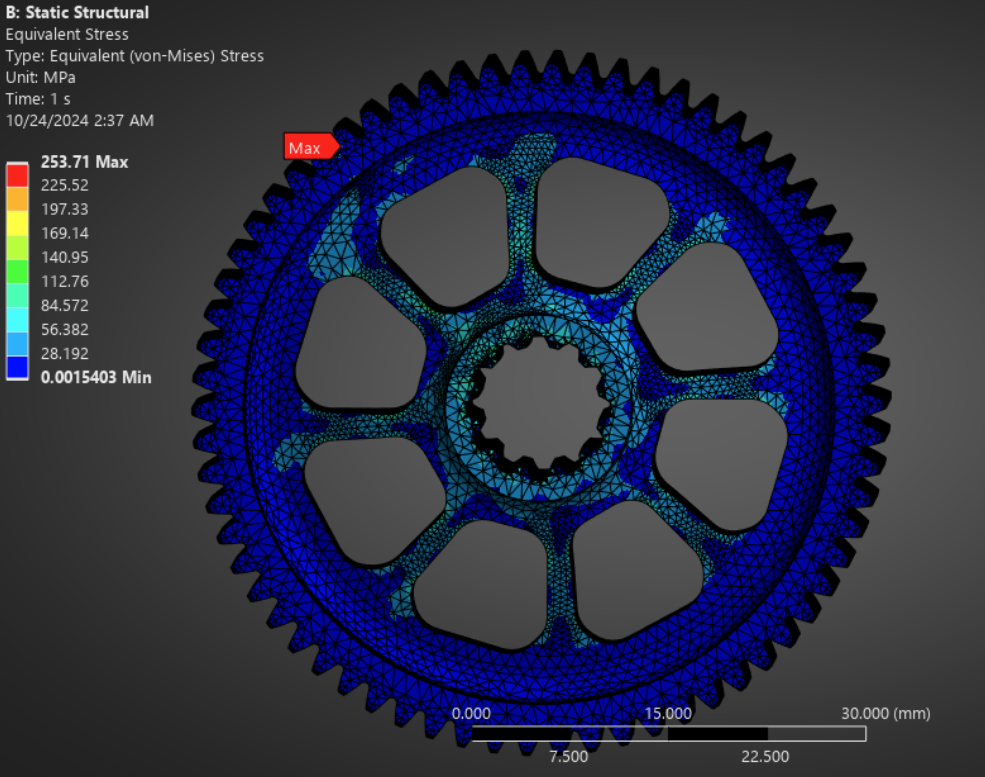
Delivered a 1:13 planetary gear system for the team's car that met torque and packaging constraints, cutting weight 8% through iterative redesign.
↳Coordinated with the manufacturing and mechanical teams to resolve integration issues through final assembly.
ANSYS static structural analysis of a planetary gear: equivalent (von Mises) stress.
Extracurriculars
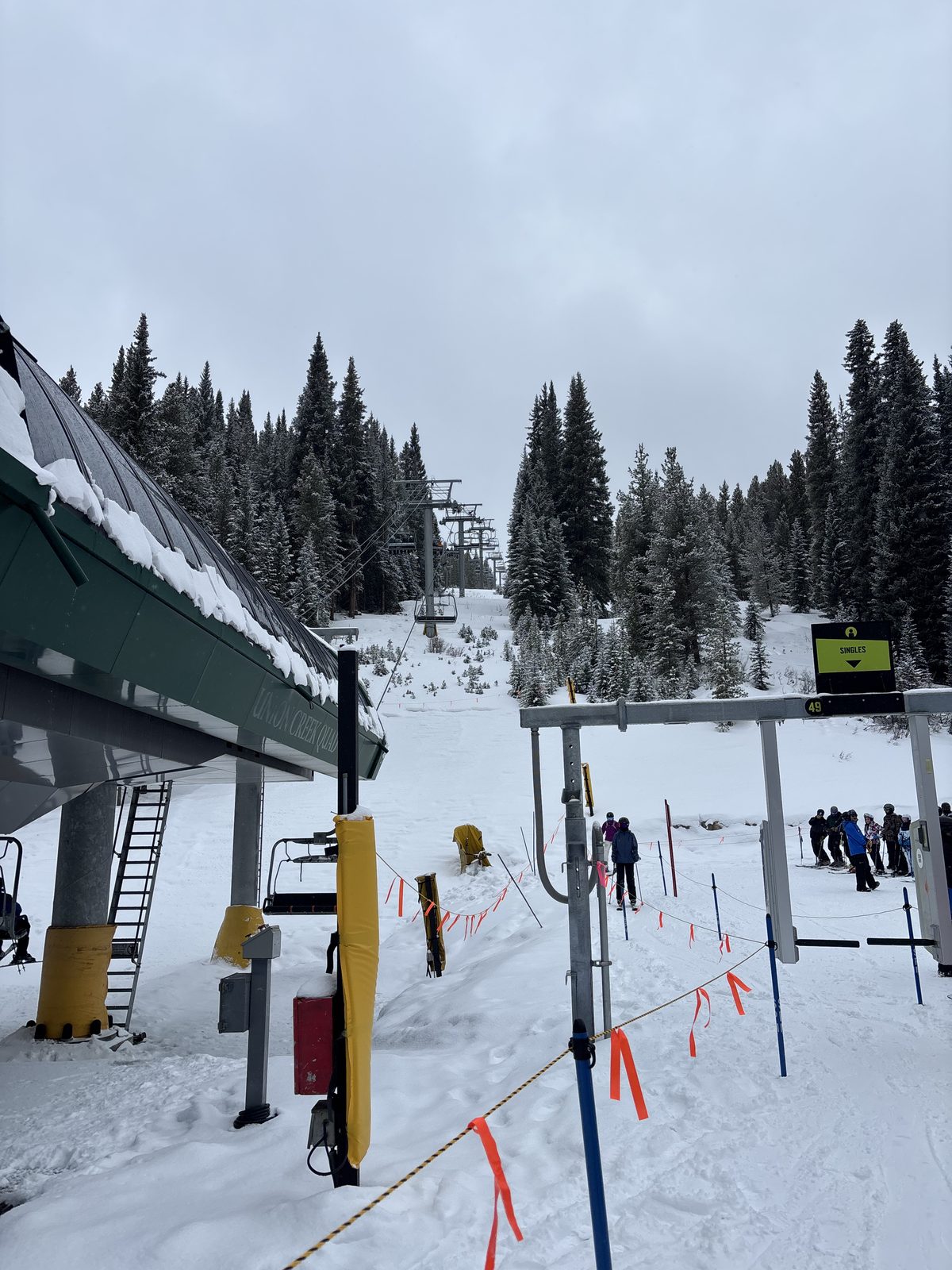
Snowboarding
Getting out on the mountain whenever I can.
Traveling
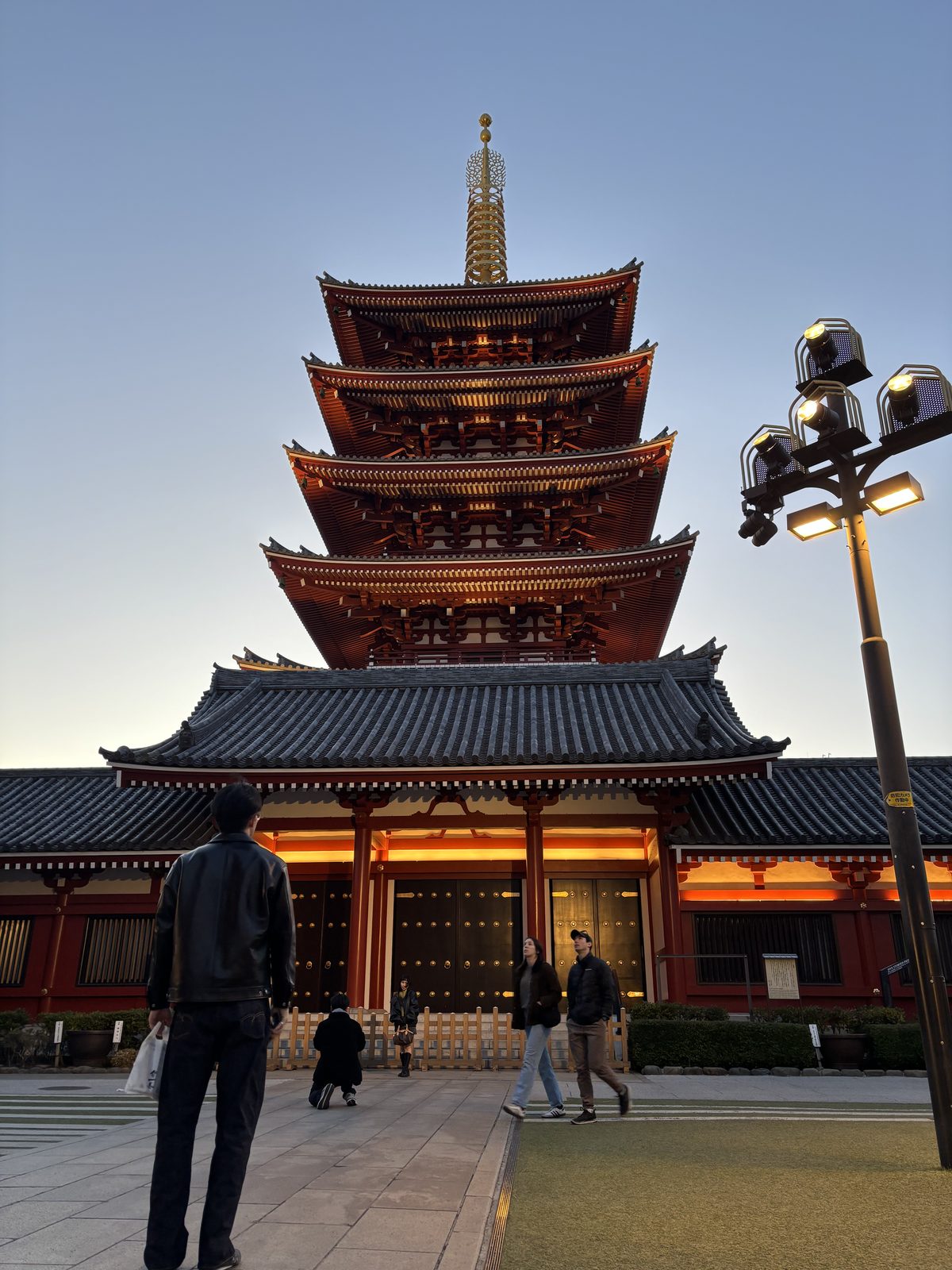
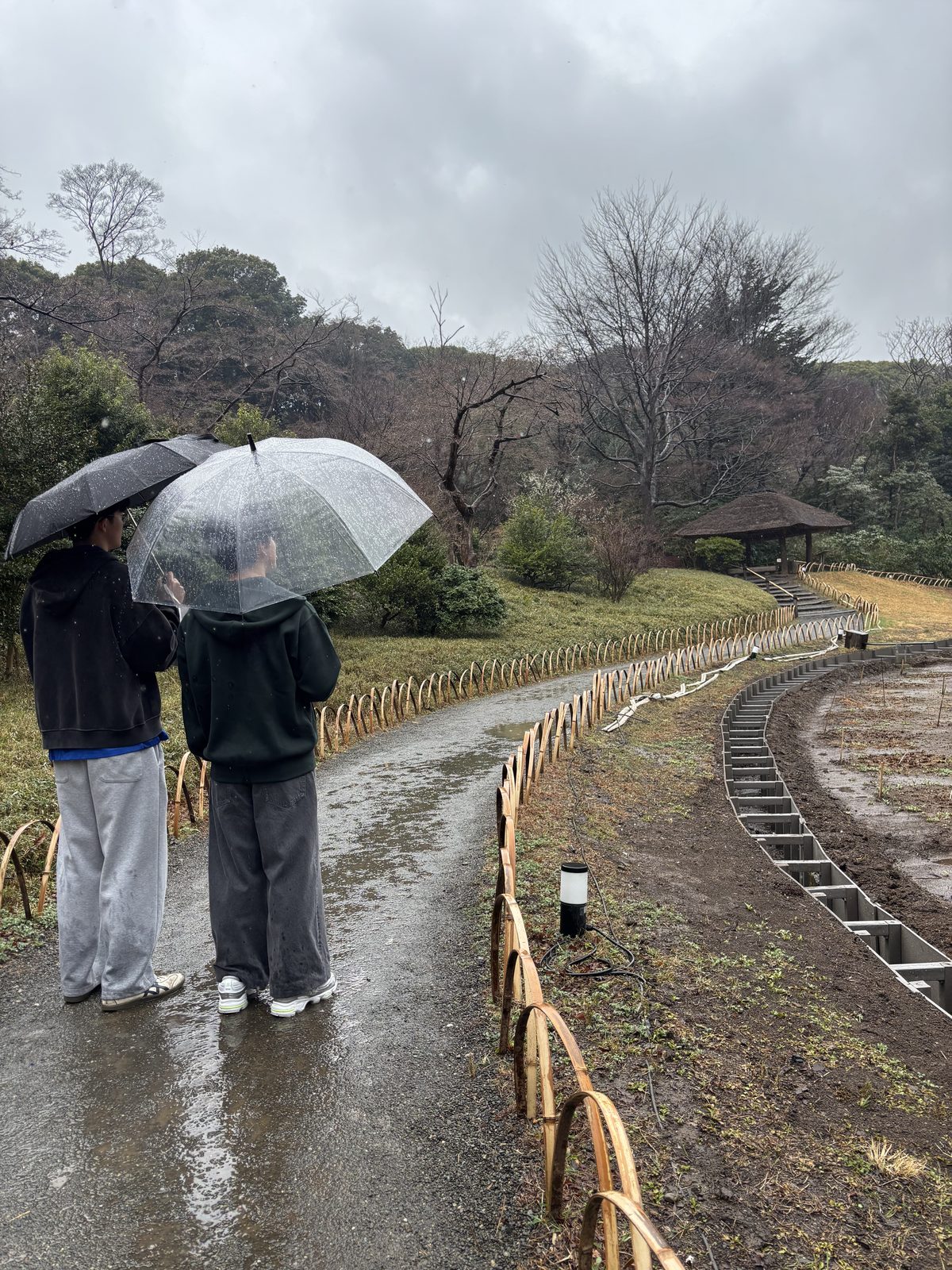
Exploring new places
3D Printing
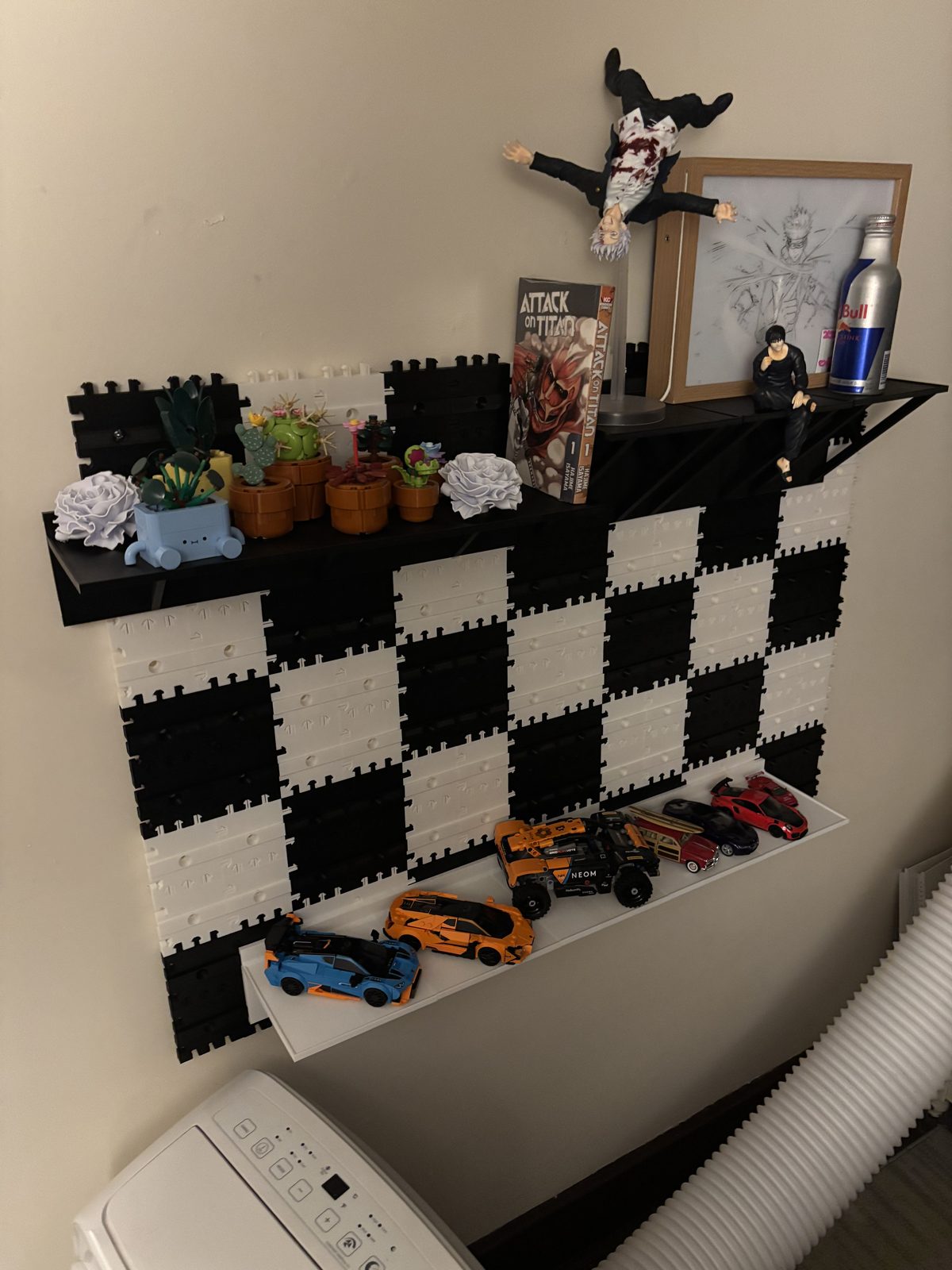
Designing and printing things for everyday use around my room.